
Home
Carbon Footprint Definition – SALVIAS
What Does Carbon Footprint Mean?
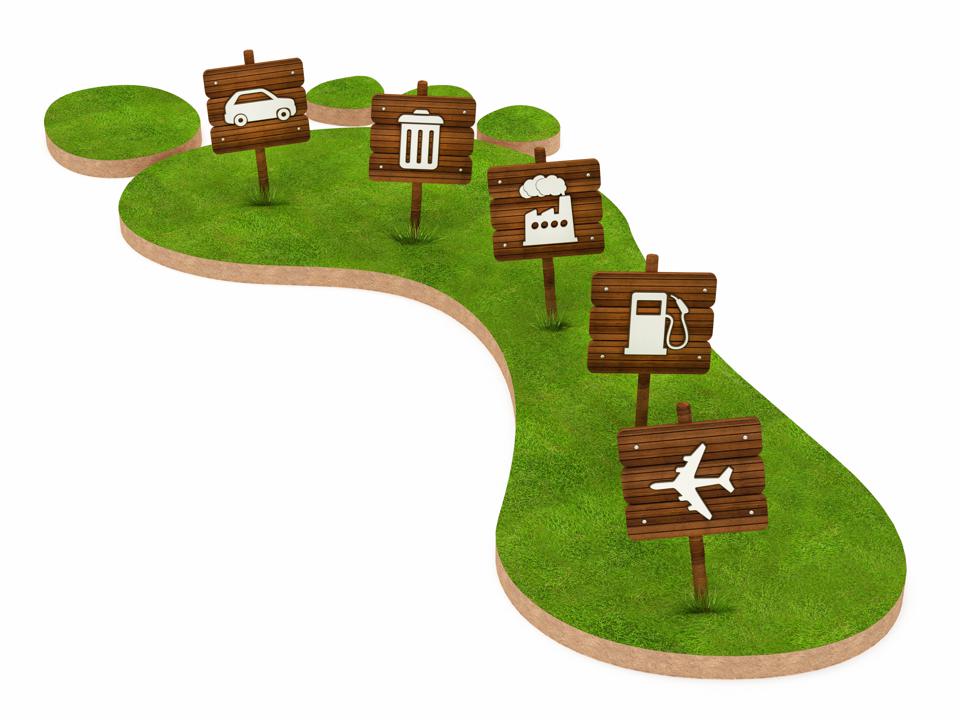
What does carbon footprint mean? The answer to that question will depend on a person’s lifestyle and habits. However, if you want to understand the impact of your daily lifestyle on global warming, you need to know your own carbon footprint. You can use an online carbon footprint calculator to figure out how many tonnes of carbon dioxide your daily activities cause. The WWF and TerraPass websites each have calculators that allow you to estimate your carbon footprint and compare it to the average national footprint.
Carbon footprint is a way to measure how much CO2 you release into the atmosphere. It includes your transportation fuel use, the food and beauty products that you buy, and even the electricity required to power them. It also accounts for other greenhouse gases, such as methane and nitrous oxide. This is the most comprehensive way to determine how much of a carbon footprint your actions have on global warming. Carbon footprint is measured in tons of CO2e.
The first time we heard of the term, it was in a scientific paper published in 2008. Hundreds of references to this concept can be found in the ScienceDirect database. Some experts are proposing a more comprehensive term, called a climate footprint. This term encompasses the full range of greenhouse gases, including CO2, methane, and nitrous oxide. The concept has many facets, including climate change and how humans affect the environment.
SALVIAS Taxon Scrubber
Where can I find out more about TaxonScrubber?
Standalone application for automated standardization of taxonomy names, developed by SALVIAS. TaxonScrubber can also be used to restructure flat-file specimen data before importing it into a relational database by removing spelling errors in species names. TaxonScrubber can be used to error-check and reformat large numbers of taxonomic records, even though it was created primarily for standardizing inventory data for the SALVIAS plots database.
The workings of TaxonScrubber
It has four primary functions:
Concatenated fields can be broken apart. There are now separate fields for epithets and authorities. When a user enters the string “Quercus alba L.”, it is broken down into three fields: Genus, Species epithet, and Author. TaxonScrubber can separate a single name into up to two subspecific levels (e.g., Quercus alba var. gunnisonii Torr. fo. Rugosa).
Recognizing and removing standard annotations from documents. All of the botanical annotations in the TaxonScrubber database are available in Latin and English. “cf.” and other such annotations are removed and stored in a separate field, as are annotations like “aff.” and “vel. sp.” “cf” is used to denote informal annotations of uncertainty, such as question marks. An additional annotation field is created for any text that is not recognized as a standard annotation and flagged for the user’s inspection.
Spelling should be standardized. TaxonScrubber matches names to a list of validly published names after fields have been split and extraneous text removed (currently, TaxonScrubber uses a world list of plant names; however, later releases of TaxonScrubber will have the option of loading name lists for other taxa). Using TaxonScrubber’s “Hand scrub” utility, you can correct any remaining names to be in line with the standard world list after you’ve flagged those that match the standard list. At this point, unmatched names can be classified as morphospecies names (like Miconia sp.3) or indets (like Miconia sp.3) (e.g., Miconia sp.).
Higher taxonomy should be standardized. To ensure that all family names are standardized to the Missouri Botanical Garden’s TROPICOS database, TaxonScrubber is used. Users will be able to make changes to the higher taxonomy in future versions to accommodate new taxonomic concepts (for example, APG familial concepts; see The Angiosperm Phylogeny Website).
There are several “flag fields” that are generated by TaxonScrubber when it is scrubbing a taxon’s name, which indicate the status of the name’s components (Family, genus, specific epithet, etc). The formatted and cleaned file’s export can include or exclude these fields as needed.
Aspects of TaxonScrubber not previously mentioned
Organizing and maintaining a file system. Files imported by TaxonScrubber are renamed, backed up, and maintained by TaxonScrubber in the database. Until the user exports the scrubbed file and replaces the original, the original files are not touched during the scrubbing process.
Keeping track of the names of the people who contributed to the project. TaxonScrubber preserves the original names after scrubbing so that they can be compared to the “srubbed versions”. It is entirely up to the user whether or not to delete these fields after scrubbing them.
Hand-scrubbing. Tools for manual inspection of taxonomic fields are provided by TaxonScrubber, such as filters that display only records containing selected standard annotations, and matching to pull-down menus of standard names or names contained in the original file.
TaxonScrubber 1.1 includes a brand-new feature.
Synonyms and alternative taxonomies are matched to names. When the source taxonomy is also synonymized, TaxonScrubber version 1.1 allows for the loading of alternative reference taxonomies. In the current list, there is a provisional list of vascular plant species of the world (invalid names flagged, but no synonymy) as well as a synonymized checklist of the gymnosperms and flowering plants from Peru. See below for additional information. Over the next few months, additional regional and monographic reference taxonomies will be released.
Authorities are included in the standard name match. When it was first released, TaxonScrubber could only match epithets. It is possible that authorities will be matched as well, if they are present in the source data and reference taxonomies in Version 1.1.1.
The parsing of name components has been improved. A number of parsing issues that existed in TaxonScrubber’s initial release have been addressed. Abbreviations like “forma” and “filius” are now correctly distinguished by context in TaxonScrubber, for example (a rank indicator).
Taxonomic reference tables that are more compact. The taxonomy database has been halved in size thanks to a reorganization of reference tables and queries.
Terrestrial Ecology – What is an Ecology Ecosystem?
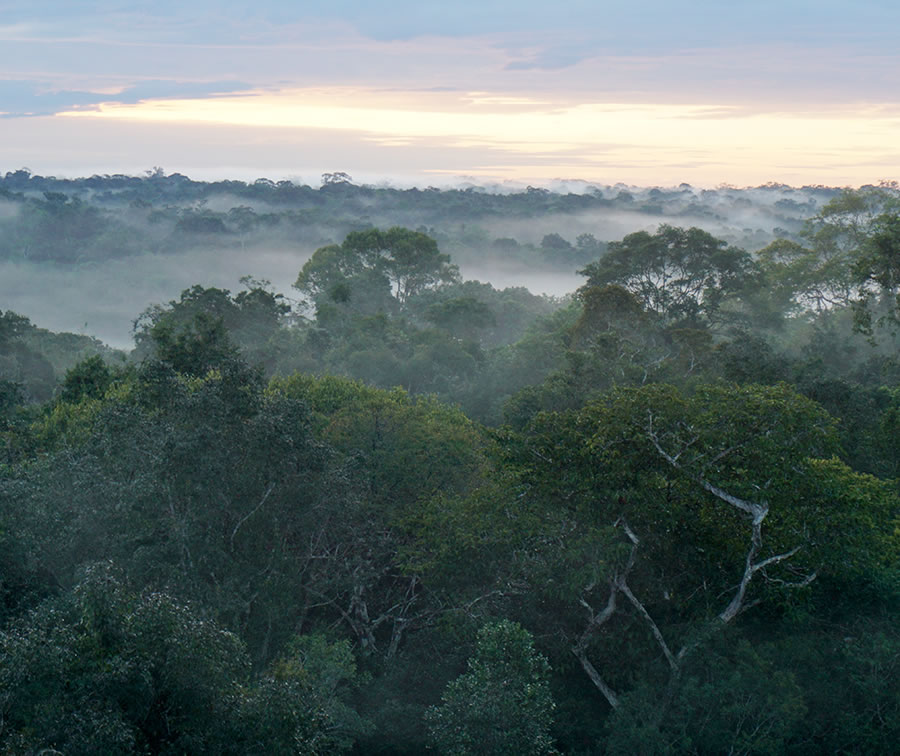
A system of living and non-living components is called an ecology ecosystem. This subset of ecology has roots in terrestrial ecology. In this article, we’ll explore what an ecosystem is and how it works. To help you understand how an ecosystem functions, consider this graphic. This diagram shows how a single nutrient cycle can affect the health of the entire ecosystem. The color codes represent the types of organisms in each system. They also represent the energy and nutrients that flow within each component.
Ecology is the study of living and non-living components
In general, ecology is concerned with the interactions of the various living and non-living components of an ecosystem. It examines the relationship between living organisms, their environments, and their genetic makeup. Ecology is also concerned with population structure, including the size, composition, and changes within a population over time. For example, the population size of a Karner blue butterfly depends on a specific plant in a particular area, and that plant affects the distribution of the butterflies.
Ecosystem is the study of living and non-living components
An ecosystem is a community of living and non-living components. It is a system, meaning everything is interdependent. The system cycles energy and nutrients throughout its components. Food chains and food webs illustrate these interactions. Ecosystems are made up of both biotic and abiotic components. The biotic components are living organisms, while the abiotic components include climate, nutrients, and other physical elements. The interactions between living and non-living parts of the ecosystem are what contribute to the overall health of the ecosystem.
It is a subset of ecology
The study of the relationships among living organisms and their environment is called ecology. Ecosystems are made up of two main factors: biotic and abiotic. Ecosystems are made up of living and non-living organisms that interact with each other. Ecology is a broad concept, encompassing the study of the environment as a whole, not just the interactions among specific species. This includes the effect of different biotic factors on an organism’s life and survival.
It is rooted in terrestrial ecology
Terrestrial ecosystems are land-based communities comprised of biotic and abiotic components that interact to sustain life. They include tundra, taigas, temperate deciduous forests, tropical rainforests, grasslands, and deserts. The temperature range and soil type of these environments determine the types of plants and animals found within them. The biotic and abiotic interactions of these communities are fundamental to maintaining the health and functioning of these ecosystems.
It is a branch of ecology
The study of ecosystems and the functioning of different systems is called ecology. It is a branch of ecology that studies organisms, their behavior, and their life cycles. It is closely related to evolutionary ecology, which studies the relationship between species and environmental conditions. For example, the study of animal behavior, reproductive cycles, and interactions among species is known as behavioral ecology. A study of individual psychology can reveal the psychological factors that affect the functioning of an ecosystem and help scientists make better decisions about how to protect it.
It uses Geographic Information Systems
GIS is an acronym for Geographic Information System. It’s a database that contains geographic data, including software tools for managing and analyzing that information. GIS is also a body of knowledge about related concepts and institutional organizations. When used appropriately, GIS can provide a vast amount of useful information to various organizations and projects. But how do they work? And what exactly are the benefits of GIS? Let’s look at a few examples.
It deals with global environmental problems
The issue of global environmental change is of great concern. The resulting changes are devastating to humankind, from depletion of fuelwood to the destruction of tropical forests. To solve these problems, the responsible authorities of nations must formulate appropriate laws and educate their people about the sustainable use of natural resources. The following are some of the key issues that are facing the world today. Understanding these issues will help us understand why and how global environmental problems have become so serious and important.
SALVIAS DATA DICTIONARY
Plot metadata
The following fields are downloaded when you select “download plot metadata”. These fields contain information pertaining to entire plots, such as locality, climate, soil, and methodology. Please pay particular attention to the field observation_type: values in this field affect intepretation of fields downloaded as plot data (from the PlotObservations table). See discussion below. Values from this table can be linked to the plot data (see next table) either using PLOT_ID or plot_code. PLOT_ID is preferable, however, as plot_code may repeat among different projects.
| Field_name |
Data_type |
Value_list |
Can be null? |
Standardized_by_SALVIAS? |
Comments |
| PLOT_ID |
Integer |
Autoincrement |
No | Added by database |
Primary key; unique number for each plot |
| plot_code |
Text |
No |
Yes (original codes supplied by user may be modified to avoid naming conflicts with other data sets) |
Short code for plot; combination of project+plot_code is unique, but plot_code may repeat among different projects |
|
| major_geo |
Text |
Closed pick list (see Comments) |
No |
Yes |
Values as follows: “South America”, “Europe”, “Africa”,
“Trop.Asia, Oceania”, “North America”, “Central America” (includes Mexico),
“Caribbean”, “Temperate Asia”. Based on values in Missouri Botanical Garden
version of the “Alwyn Gentry 0.1 ha Transect Dataset” |
| country |
Text |
Closed pick list |
No |
Yes |
Modified to correspond to names in SALVIAS lookup tables |
| pol1 |
Text |
Yes |
No |
Next political division below country; i.e., state,
province, or department. As provided by original data provider, but may be
modified to correspond to names in SALVIAS lookup tables |
|
| pol2 |
Text |
Yes |
No |
Next political division below pol1, i.e., county,
district, municipio, depending on country. As provided by original data provider,
but may be modified to correspond to names in SALVIAS lookup tables |
|
| locality_description |
Text |
Yes |
No |
Detailed description of locality |
|
| lat_decimal |
Decimal |
Yes |
Yes |
Latitude, in decimal degrees; may be parsed and converted if original value is text field and/or in different units |
|
| long_decimal |
Decimal |
Yes |
Yes |
Longitude, in decimal degrees; conversions as for lat_decimal |
|
| elev_m |
Decimal |
Yes |
Yes |
Elevation in meters; this and following two fields
are parsed and converted if original data is text field, range, and/or non-metric |
|
| elev_max_m |
Decimal |
Yes |
Yes |
Maximum elevation in meters, if a range |
|
| elev_min_m |
Decimal |
Yes |
Yes |
Minimum elevation in meters, if a range |
|
| temp_c |
Decimal |
Yes |
No |
Mean annual temperature, in centrigrade |
|
| precip_mm |
Decimal |
Yes |
No |
Total annual precipitation, in mm |
|
| slope_aspect |
Decimal |
Yes |
No |
Aspect (compass direction) of slope, in degrees |
|
| slope_gradient |
Decimal |
Yes |
No |
Steepness of slope, in degrees |
|
| clay_percent |
Decimal |
Yes |
No |
||
| silt_percent |
Decimal |
Yes |
No |
||
| sand_percent |
Decimal |
Yes |
No |
||
| soil_pH |
Decimal |
Yes |
No |
||
| holdridge_life_zone |
Text |
Closed pick list |
Yes |
Yes |
Long description of classification within Holdridge Life Zone system |
| life_zone_code |
Text |
Closed pick list |
Yes |
Yes |
Short code for Holdridge Life Zone |
| observation_type |
Text |
Closed pick list: “individuals”; “species (individuals)”; “species (stems)” ; “species (percent cover)”; “species (line_intercept)”; “species (presence)” |
Yes |
Yes |
Important! The value in this field affects interpretation
of other fields in the plot data. Values as follows: “individuals”: all records
in plot data with same OBSERVATION_ID correspond to a single individual;
“species (individuals)”: all values in plot data with same OBSERVATION_ID
represent a record of a single species, with total numbers of individuals
recorded in the no_of_individuals field; “species (stems)”: as with
preceding, but may have one or more stem values for each species records,
and stems do not map onto specific individuals (this format is unique to
the Gentry transect dataset); “species (percent cover)”: all values in plot
data with same OBSERVATION_ID represent a record of a single species, with
proportional coverage of plot area recorded in the cover_percent field; “species
(line_intercept)”: all values in plot data with same OBSERVATION_ID represent
a record of a single species, with linear coverage along a center transect
line in cm recorded in the field intercept_cm. “species (presence)”:
all values in plot data with same OBSERVATION_ID represent a record of a
single species, with no abundance data provided. |
| plot_methodology |
Text |
Open pick list |
Yes |
Partially; user may select from list of standard descriptions, or supply new |
“free form” summary of several aspects of methodology;
typically a combined description of plot area, plot dimensions, size cufoff
(if any), growth forms included or omitted, |
| plot_area_ha |
Decimal |
Yes |
Yes |
Will be NULL if sampling method is dimension less or linear |
|
| recensused |
Text |
“Yes”, “No” |
Yes |
Yes |
If yes, then multiple censuses are available in plot data |
| date_start |
Text |
Yes |
No
|
||
| date_finish |
Text |
Yes |
No |
Plot data
Below are the fields downloaded when you select “download plot data”. The downloaded table is a single flat file derived principally from two source tables: PlotObservations (containing either species- or individual-level observations, depending on the observation_type; see Plot metadata for more details), and Stems, containing stem-level attributes. The downloaded table is thus in one-observation-per-stem format. PlotObservations is linked one-to-many with the Stems table; thus values from field in the PlotObservations table will repeat if more than one record in exists in the Stems table for a given observation in the PlotObservations table. Use OBSERVATION_ID field to group stem values for individuals. In interpreting taxonomy, please pay careful attention to the species_name_status field.
| Field name |
Data type |
Value list |
Can be null? |
Standardized by SALVIAS? |
Comments |
| OBSERVATION_ID |
Integer |
Autoincrement |
No |
Added by database |
Primary
key for main raw data table (PlotObservations); IMPORTANT: stem measurement
are stored in a separate table linked many-to-one with the PlotObservations
table; thus, OBSERVATION_ID will repeat if multiple stem values exist for
a given individual. |
| PLOT_ID |
Integer |
No |
see PlotMetadata table, above |
Foreign key, links to PlotMetadata table (table containing plot descriptions); unique number for each plot |
|
| plot_code |
Text |
see PlotMetadata table, above |
Short
code for plot; combination of project+plot_code is unique, but plot_code
may repeat among different projects. May function as foreign key, but
PLOT_ID is safest. |
||
| census_no |
Integer |
Yes |
Yes |
1
is default; most plots are not recensused. Different censuses for same plot
can be distinguished by unique combination of plot_code + census_no |
|
| census_date |
Text |
Yes |
No |
Date of census, if provided |
|
| subplot |
Text |
Yes |
No |
Code for subplot, line, or any other subsample or subdivision of plot |
|
| individual_code |
Text |
Yes |
No |
Any code for individual, other than tag numbers (see tag1 and tag2, below) provided in original data. |
|
| ind_id |
Text |
Yes |
Yes, if not supplied with original data for plots with observation_type = individuals |
If
observation_type=individuals (see data dictionary for PlotMetadata) this
value uniquely identifies each individual. Different records with same
value of ind_id are separate stems for same individual. If not supplied
with original data, this field will be added by SALVIAS upon import to database.
|
|
| tag1 |
Text |
Yes |
No |
Original tree tag number |
|
| tag2 |
Text |
Yes |
No |
Most recent tree tag number; if this value is not null, indicates original tag was lost; |
|
| x_position |
Decimal |
Yes |
No |
x coordinate in meters |
|
| y_position |
Decimal |
Yes |
No |
y coordinate in meters |
|
| voucher_string |
Text |
Yes |
No |
Text string for collector name and collector number of voucher specimen, if any, exactly as supplied in source data |
|
| coll_number |
Text |
Yes |
Yes. |
Collection number as parsed by SALVIAS from voucher_string |
|
| collector_code |
Text |
Yes |
Yes. |
Unique
short code for collector, assigned by SALVIAS. (this field may not be populated
for all datasets, if original data provider did not provide “key” to abbreviations
in original voucher_string) |
|
| coll_lastname |
Text |
Yes |
Yes. |
Collector’s
last name (or names) as parsed by SALVIAS from voucher_string. Or will
be same as original if already stored separately in source database. (this
field may not be populated for all datasets, if original data provider did
not provide “key” to abbreviations in original voucher_string) |
|
| coll_firstname |
Text |
Open pick list |
Yes |
Yes |
Senior
collector’s first name, as parsed by SALVIAS (this field may not be populated
for all datasets, if original data provider did not provide “key” to abbreviations
in original voucher_string) |
| det_type |
Text |
Closed pick list: “direct”, “indirect”, “unvouchered”, “default” |
Yes |
Yes |
Important!
States how reference specimen has been associated with this individual.
Permits each record to be associated with a specimen voucher, and determinations
to be updated automatically via herbarium specimens. “direct” = specimen is collection of this individual; “indirect” = individual was referenced by data provider to specific collection of a different individual; “default” = individual is connected by shared morphospecies name to voucher specimen of a different individual; “unvouchered” = no specimen vouchers (direct or otherwise) for this individual; species was never collected, and determination is presented as-is. |
| fam_status |
Integer |
Closed list: 0, 1 |
No |
Yes |
Status of family. 0 = “non-standard”; does not match any family in TROPICOS or IPNI
databases.
1 = “standard”; matches to family in TROPICOS and/or IPNI. |
| gen_status |
Integer |
Closed list: 0, 1 |
No |
Yes |
Status of genus. 0 = “non-standard”; does not match any genus in TROPICOS or IPNI
databases.
1 = “standard”; matches to genus in TROPICOS and/or IPNI. |
| species_status |
Integer |
Closed pick list: 0, 1, 2, or 3 |
Yes |
Yes |
Important!
Gives status of species name (binomial), as determined by SALVIAS TaxonScrubber. If NULL,
name was loaded as-is to database; either not “scrubbed”, or scrubbed by
status not confirmed by inspection. 0 = “non-standard binomial”; does not match any name within TROPICOS or IPNI database, but apparently a latin binomial; in absence of evidence to contrary, should be assumed to be same species as all other individuals bearing same Genus+species string 1 = “standard binomial”; matches to name in TROPICOS and/or IPNI database. Does not mean names is “correct”, simply that it exists in taxonomic database. User must determine validity of name; 2 = “indet”, undetermined to species and is *not* a morphospecies, therefore does not necesarily match to other individuals bearing the same species string; 3 = “morphospecies”; has not been identified to a standard name, but original determiner asserts that all individuals bearing this species string represent to the same species within a given plot. |
| family |
Text |
Yes |
Yes |
Family name from TROPICOS database; matched by SALVIAS TaxonScrubber based on genus |
|
| genus |
Text |
Yes |
Yes |
Corrected genus name from SALVIAS TaxonScrubber; may or may not correspond to Genus portion of orig_species |
|
| specific_epithet |
Text |
Yes |
Yes |
Corrected specific epithet from SALVIAS TaxonScrubber; may or may not correspond to specific epithet in orig_species |
|
| specific_authority |
Text |
Yes |
Yes |
Corrected authority from SALVIAS
TaxonScrubber; this field is usually only populated if original data (see
orig_species field) contains authority |
|
| infra_rank_1 |
Text |
Yes |
Yes |
Rank of determination below level of species, if any, as parsed by SALVIAS TaxonScrubber |
|
| infra_ep_1 |
Text |
Yes |
Yes |
Epithet of determination below level of species, if any, as parsed by SALVIAS TaxonScrubber |
|
| cf_aff |
Text |
“cf.”, “aff.” |
Yes |
Yes |
“cf.” or “aff.” annotations |
| habit |
Text |
Closed pick list; T = tree, H = hemiepiphyte, L = Liana, E = epiphyte, S = shrub, Hb = herb |
Yes |
Yes |
Growth form. May be null, depending on information provided in original data. Note that many data sets lump S under T. |
| no_of_individuals |
Integer |
Yes if observation_type = “individuals”, “species (individuals)”, or “species (stems)”; otherwise No |
Partially; see Comments |
Important! Number of individuals.
Can sum by plot_code, OBSERVATION_ID, or taxon to obtain counts of individuals.
For observation_type =”species-individuals”, equals total individuals
for that species within the subplot; if have multiple stem records for each
species (Gentry data only) then equals total individuals for first stem record
only; for other stem records = 0. For observation_type = “individuals”
will be 1 for first stem for that individual, 0 for remaining stems of same
individual. For all other observation_type, will be NULL; see data
dictionary for PlotMetadata. |
|
| cover_percent |
Decimal |
Yes |
No |
Percent cover (for observation_type=”species (percent cover)” only; see data dictionary for PlotMetadata) |
|
| intercept_cm |
Decimal |
Yes |
No |
Intercept along center line, in cm (for observation_type=”species (point intercept)” only; see data dictionary for PlotMetadata) |
|
| height_m |
Decimal |
Yes |
No |
Total height of individual, in meters |
|
| ht_first_branch_m |
Decimal |
Yes |
No |
Height to first branch, in meters |
|
| stem_tag1 |
Text |
Yes |
No | Original stem tag number (if tags provided for individual stems, as opposed to entire tree) |
|
| stem_tag2 |
Text |
Yes |
No |
Most recent stem tag number; if this value is not null, indicates original tag was lost |
|
| stem_dbh |
Decimal |
Yes |
No |
Diameter at breast height of this stem (usually taken at 1.3 meters, but may vary; see metadata files for this dataset) |
|
| basal_diam |
Decimal |
Yes |
No |
Diameter at ground level for this stem |
|
| stem_height_m |
Decimal |
Yes |
No |
Total height of this stem only, in meters. for this stem only. |
|
| stem_height_first_ branch_m |
Decimal |
Yes |
No |
Height to first branch, in meters. For this stem only. |
|
| stem_canopy_form |
Text |
Open pick list |
Yes |
No |
See
accompanying documents for particular dataset. Codes are specific to particular
dataset, therefore no standardization enforced. Stem-level attribute. |
| stem_canopy_position |
Text |
Open pick list |
Yes |
No |
See
accompanying documents for particular dataset. Codes are specific to particular
dataset, therefore no standardization enforced. Stem-level attribute. |
| stem_liana_infestation |
Text |
Open pick list |
Yes |
No |
See
accompanying documents for particular dataset. Codes are specific to particular
dataset, therefore no standardization enforced. Stem-level attribute |
| notes |
Text |
Yes |
No |
Miscellaneous comments, relevant to this record |
|
| orig_family |
Text |
Yes |
No |
Original,
unaltered text string of family from original data set, for comparison.
This field may be null if original dataset consisted of species name only |
|
| orig_species |
Text |
Yes |
No |
Original
text string of species name from original dataset. If Genus, specific epithet,
and/or authority were in separate fields in original dataset, these will
appear concatenated in this field. Provided for comparison. |
Party Bus Rentals in Detroit, MI

If you’re looking for party bus rentals in Detroit, MI, you’ve come to the right place. Detroit Party Bus Company offers various amenities to make your party a hit. This company strives to make the experience as good as possible for their customers. You’ll be glad you chose them for your special occasion. Read on to learn more about them! Listed below are some of the amenities they offer, along with a short description of their service.
Rockstarz Limousine
If you’re planning a night out in the Motor City, why not book a limousine from Rockstarz? Their fleet of limousines and party buses offers you an opportunity to travel in style and comfort. From classic sedans to luxurious SUVs, Rockstarz Limousine offers transportation to fit any occasion. From airport transfers to prom nights, you’ll be treated like a celebrity in their limousines.



Rochester Limousine
If you’re in need of a limousine rental in Metro Detroit, look no further than Rochester Limousine. The premier limousine and party bus provider in Metro Detroit, Rochester has been serving customers for 20 years. Our dedication is to provide Metro Detroit customers with luxurious limousines, party buses, and sedan transportation that is second to none. For a memorable night out with friends or business associates, reserve a party bus rental from Rochester Limousine.
Top Notch Party Bus
Metro-Detroit’s premier transportation service company, Top Notch Party Bus & Limousine, guarantees to give you the best in quality, safety, and service. The ultimate luxury limousine for your party, the Top Notch Party Bus allows you to move around with maximum comfort and style. Top Notch Party Bus Employees are fully licensed and committed to providing prompt and reliable service. Whether you need transportation for a wedding, birthday party, or other special event, they will be there to assist you.
Chrysler 300
If you want a luxurious ride for your special occasion, hire a Chrysler 300 party bus rental Detroit MI. The latest models of passenger buses are available for rent, including BMW, Cadillac, Escalade, and Chrysler 300. Choose your preferred vehicle from among their Chrysler 300, Hummer limo, and Town Car fleets. You can even reserve a Ford Excursion for a birthday party! Whatever your celebration needs may be, you can find a party bus rental that will accommodate your entire party.
Mercedes Sprinter


A Mercedes Sprinter party bus is a luxurious way to travel. This stretch limo can accommodate up to 12 passengers and is spacious enough for large groups. Its large sliding doors make loading and unloading passengers easy. Inside, you’ll find an oversized wet bar and state-of-the-art sound system. There’s also a color-changing disco floor and two 32″ TVs for your entertainment. Your personal chauffeur will help you navigate through your night in a smooth, luxurious ride.
Ford Excursion
When planning a party in Detroit, Michigan, a Ford Excursion party bus rental will definitely be one of the best choices. This vehicle has everything you need for a fun-filled night. These luxury vehicles come equipped with state-of-the-art entertainment systems, including televisions, sound systems, and bars. You will have an unforgettable time, and you can even enjoy the ride without any problems.
Botanical Information – Herbs, Plants, and Medicine
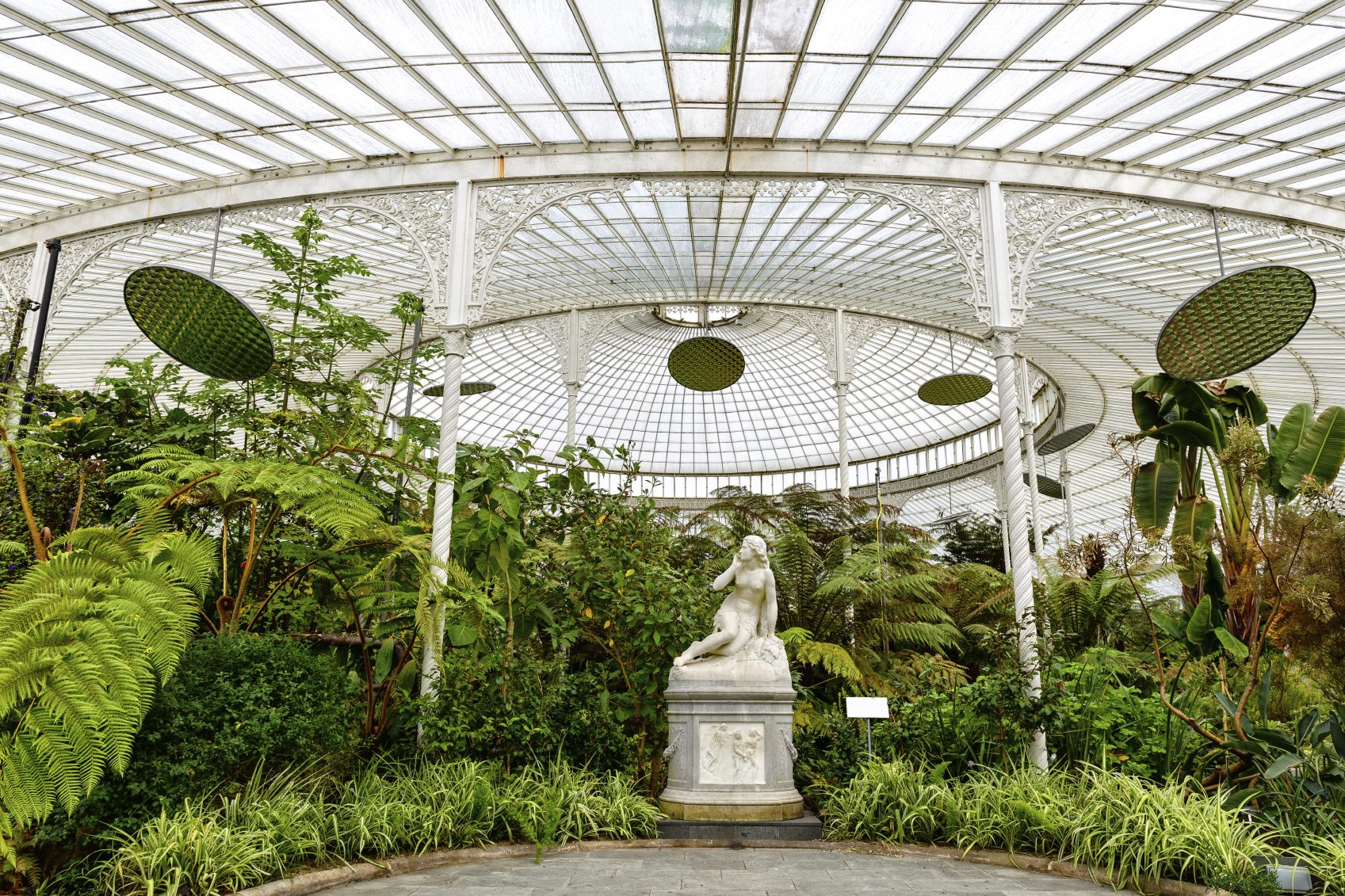
You’ve probably heard of Botanicals, but what are they? What are their benefits and uses? Where can you find botanical information? Read on to learn more. There’s a world of information about herbs, plants, and botany to explore. This article will explore botanic gardens, botanicals and medicine. It will also discuss how you can learn about them, and how you can find them in a botanic garden near you.
Botanicals
Botany, also called plant science, biology, or phytology, is the study of plants. Botanist and phytologist are terms used to describe individuals who are involved in the study of plants. Botany is a branch of biology that is devoted to the study of plants. This branch of science is considered to be an area of specialization for the entire scientific community. Botanical Information’s content can be useful for both beginners and experts alike.
Herbs
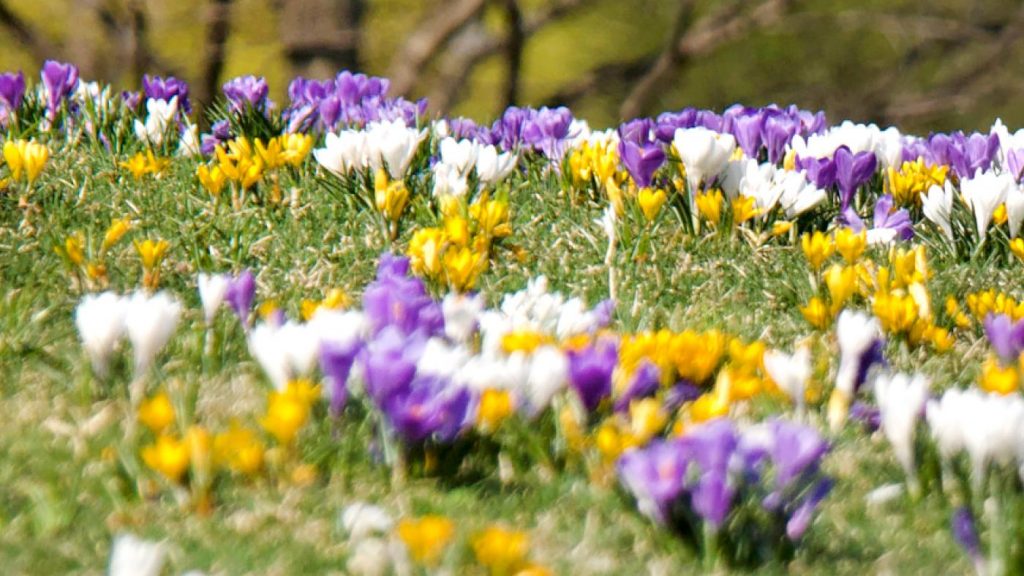
Herbs and spices are common plant parts used for cooking, medicine, and pleasure. Most are from various plant families and have a variety of uses. While generalizations must be followed, exceptions may be found. This article will cover basic information on herbs and spices for cooking, including how they are used, their uses, and their medicinal properties. Here is an overview of the most popular types of herbs and spices, along with their uses.
Botanicals in medicine
In the United States, herbal products are regulated by the Natural Health Products Directorate (NHPD) and must carry the NHP number on their labels. Botanical medicines vary in their chemical makeup and effects, and can have additive, synergistic, or antagonistic effects. However, there are many risks associated with using botanicals, and it is important to follow the directions of use to avoid complications. Listed below are some of the possible side effects and risks associated with botanicals in medicine.
Research in botanic gardens
Botanic gardens are repositories of plant knowledge and living specimens. These institutions maintain a documented collection of plants for scientific research, conservation, education, and display. Botanic gardens have traditionally focused on plant conservation and herbarium collections, but some have expanded their focus to include a range of topics, such as the potential to grow food crops in extreme climates or how to better protect threatened plants from climate change.
Links to other sites on botany
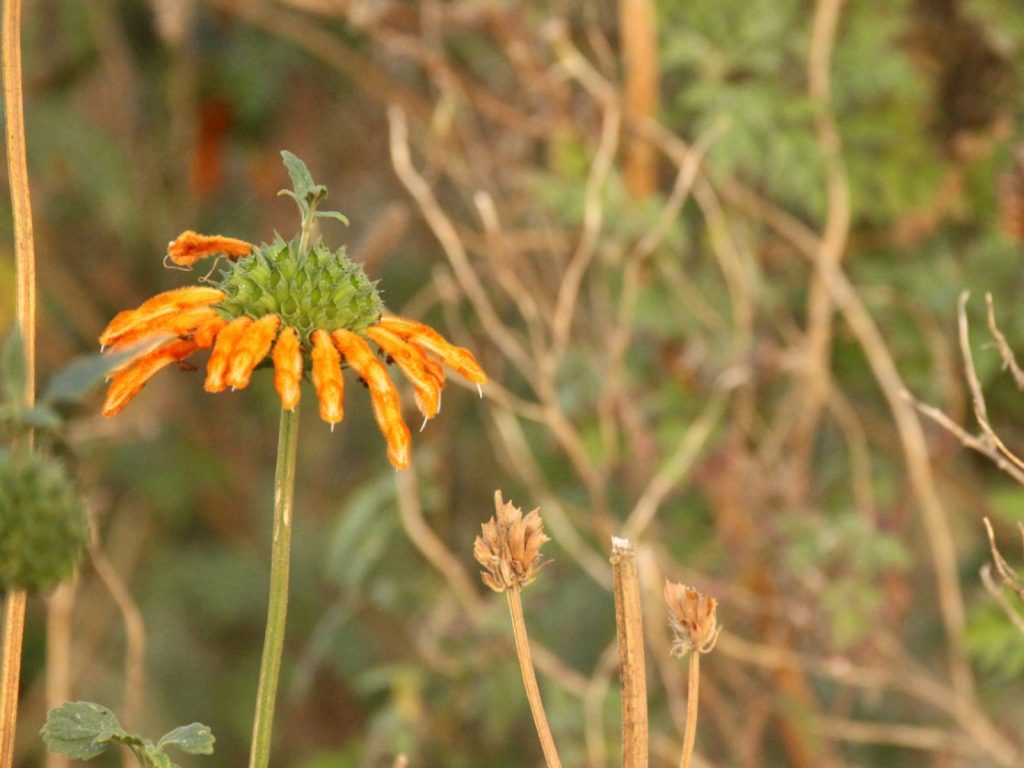
To learn more about plants, visit links to other sites on botany. You can find the complete specimen catalog of the New York State Museum online, and links to hundreds of reference books and lab protocols. The Department of Botany at the University of Wisconsin-Madison offers five collections of digital images, and it also has a searchable archive of articles from nearly a thousand botanical journals. The Arnold Arboretum Library provides research information on botany, including taxonomic treatments for wild plants and fossil species. You can also find information about botany authors and their publications.
5 Ways to Develop Your Child’s Ecological Awareness
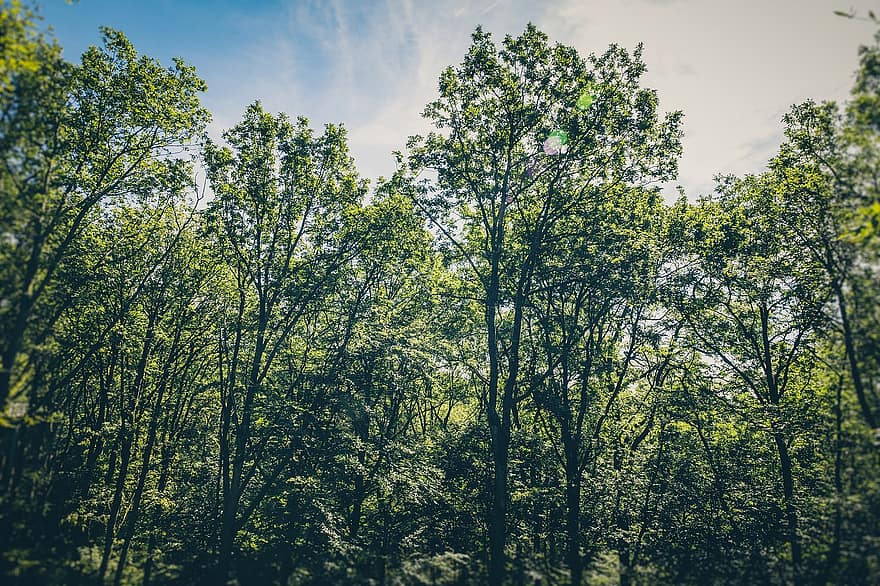
Ecological awareness is an important part of the Altruism and Integrative frameworks of human nature. It can develop in people, communities, and countries. The benefits of ecological awareness are numerous, and include the ability to identify wildlife. Children can learn to identify the different species by simply being exposed to information about the environment. By engaging in these discussions with children, they can develop an understanding of how important caring for the environment is. Here are five ways to develop your child’s ecological awareness.
Ecological consciousness

The way of life in a country can affect the level of ecological consciousness of its population. In some countries, such as India, the majority of people are immersed in nature, but in others, this connection is limited to an occasional encounter with animals. Environmental consciousness is therefore critical for sustainable business. A recent study in Chuvash Republic analyzed the environmental consciousness of 460 workers of industrial companies. The study found that the level of ecological consciousness was high, and the participants’ understanding of nature and its role in human life was quite high. However, the level of environmental activity among the participants was not high.
Integrative frameworks
The development of ecologically-conscious societies and their transformation into sustainable systems requires the emergence of integrative frameworks. Social-ecological programs often depend on short-term funding opportunities and short-term interventions, but transformative change involves addressing the structural and behavioral level of society. To achieve such change, local, national, and international actors need to commit long-term to change their systems. Currently, funding structures reward projects that achieve rapid impacts, making the development of these frameworks challenging.
Altruism
Ecological awareness and altruism go hand-in-hand. Altruism involves a leap of faith in the hopes that those who receive the gift will reciprocate. But altruism is more than a theoretical concept: it can also result in action. To illustrate the connection between altruism and ecological awareness, consider the example of a ground squirrel warning another group of predators of the imminent threat of a hawk. In this case, the risky act is beneficial to the group as a whole.
Conservation
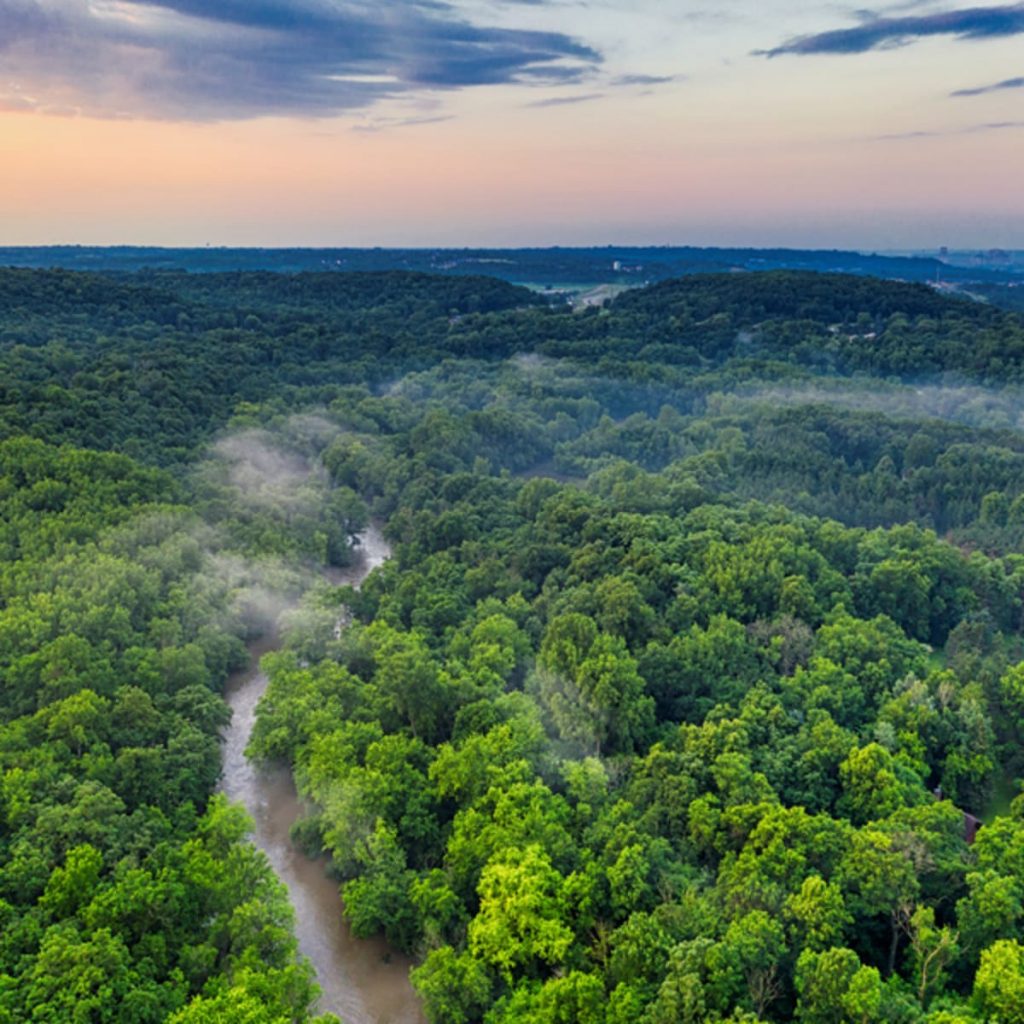
Increasing the level of public awareness about conservation and ecology is critical to the future of our planet. The destruction of forests worldwide is a serious problem. Human activity is destroying forest habitats at a rapid rate, including the production of wood, paper, and oil. Many species are in danger of extinction as a result of habitat loss. For this reason, the International Union for Conservation of Nature maintains a list of endangered species.
Environmental preservation
Ecology and environmental conservation refer to the protection of the earth and its resources. There are many environmental problems affecting humans today, including overpopulation, water pollution, ozone depletion, global warming, and deforestation. In addition, digital media may help to preserve our world’s resources. Here are some ways to protect our environment and promote ecological awareness. Environmental conservation is important for our well-being, and the digital media can be a valuable tool.